https://dl.acronis.com/u/pdf/ATI2017NG_whitepaper_encryption_en-US.pdf
Ensuring Data Security and Compliance
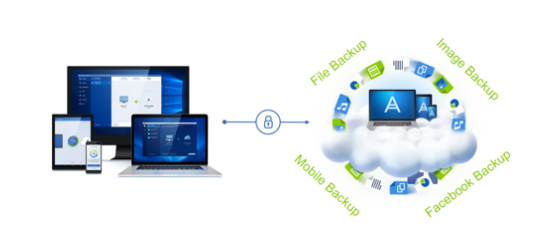
In the digital age, where data is one of the most valuable assets for businesses, ensuring its confidentiality and integrity is of utmost importance. With the rise of cyber threats and the increasing need for compliance with data protection regulations, robust data encryption practices have become essential. Acronis, a leader in data protection solutions, has built its technology to offer end-to-end encryption for data in transit and at rest, ensuring the security of sensitive business information.
In this article, we’ll explore how Acronis handles data encryption, the different types of encryption it employs, and how businesses benefit from Acronis’ encryption features. We will also look at best practices and compliance considerations for administrators managing Acronis data protection solutions.
Why Is Data Encryption Important?
Data encryption is the process of converting data into a secure format that cannot be easily read by unauthorized users. Whether data is being stored on-premises, in the cloud, or in transit between locations, encryption ensures that sensitive information remains confidential. Without encryption, data is vulnerable to a wide range of security threats, including cyberattacks, data breaches, and insider threats.
For organizations that handle sensitive data—such as financial information, personal data, and intellectual property—data encryption is not just a best practice; it is a regulatory requirement. Various laws and regulations, such as the General Data Protection Regulation (GDPR) and the Health Insurance Portability and Accountability Act (HIPAA), mandate encryption for certain types of data.
Acronis Data Encryption Features
Acronis provides a comprehensive approach to data protection, incorporating strong encryption capabilities into every layer of its solution. The company employs various encryption techniques for both data at rest and data in transit, ensuring that all business data is adequately protected.
1. Encryption of Data at Rest
Data at rest refers to data that is stored on physical or virtual media, such as hard drives, SSDs, or cloud storage. This data is not actively moving between devices, but it still needs to be protected from unauthorized access.
Acronis uses AES-256 encryption to secure data at rest. AES (Advanced Encryption Standard) is a widely recognized and highly secure encryption algorithm used by government and financial institutions worldwide. AES-256 is considered one of the most secure encryption standards available, offering a 256-bit key length for superior protection against brute-force attacks.
Key features of Acronis data-at-rest encryption include:
- AES-256 encryption for both on-premises and cloud data storage.
- Custom encryption keys: Administrators can manage and store their own encryption keys, providing an additional layer of control and security over sensitive data.
- Local and cloud backup encryption: Acronis encrypts backups both on-premises (local) and in the cloud, ensuring that data is protected wherever it is stored.
2. Encryption of Data in Transit
Data in transit is any data that is being transferred between devices, such as between an endpoint and a backup server, or between cloud storage locations. This type of data is particularly vulnerable to interception, especially when transmitted over the internet or public networks.
To safeguard data in transit, Acronis employs SSL/TLS encryption, a secure communication protocol that ensures data is encrypted during transmission. SSL (Secure Sockets Layer) and TLS (Transport Layer Security) are industry-standard protocols used to establish encrypted connections between devices, preventing eavesdropping, tampering, and data breaches.
Key features of Acronis data-in-transit encryption include:
- SSL/TLS encryption to secure data during transfers between endpoints, cloud environments, and servers.
- End-to-end encryption: Data is encrypted before it leaves the source device and remains encrypted during transmission and while in storage, ensuring continuous protection.
3. Encrypted Backups for Cloud-to-Cloud Solutions
For businesses using Acronis’ cloud-to-cloud backup solutions, encryption is critical to protect data during backups of cloud workloads such as Microsoft 365 and Google Workspace. Acronis applies AES-256 encryption to ensure that cloud-hosted data is securely stored and transmitted.
Key features of Acronis encrypted cloud backups include:
- End-to-end AES-256 encryption for cloud-to-cloud backup and restore operations.
- Compliance-ready: Acronis provides encryption for cloud backups to help businesses meet compliance requirements, such as GDPR and HIPAA.
- Granular data protection: Backups of individual workloads and applications are encrypted, ensuring protection at a granular level.
4. Encryption Key Management
Acronis offers flexible and user-friendly encryption key management options, which allow organizations to control and protect their encryption keys. This gives administrators the ability to manage encryption keys securely, whether they choose to let Acronis manage the keys for them or opt to manage the keys themselves.
Key features of Acronis’ encryption key management include:
- Secure storage of keys: Keys are stored securely and are never exposed to unauthorized users.
- Customer-managed encryption keys: Customers can manage and store their own keys if they want more control over the encryption process.
- Key rotation: Regular key rotation is supported to enhance security by periodically changing the encryption keys.
5. Multi-Factor Authentication (MFA)
To further secure the encryption process, Acronis supports Multi-Factor Authentication (MFA). MFA adds an additional layer of protection by requiring users to verify their identity using multiple factors, such as something they know (password), something they have (a mobile device), or something they are (biometric authentication). This ensures that only authorized personnel can access encrypted data.
Compliance with Regulations and Standards
Acronis adheres to global data protection standards, ensuring that its encryption practices help businesses remain compliant with regulations such as:
- General Data Protection Regulation (GDPR): Acronis’ data encryption capabilities help organizations comply with GDPR’s strict requirements for the protection of personal data.
- Health Insurance Portability and Accountability Act (HIPAA): For businesses in the healthcare industry, Acronis’ encryption ensures that sensitive health data is adequately protected, supporting HIPAA compliance.
- Payment Card Industry Data Security Standard (PCI DSS): Acronis provides encryption to help businesses in the financial industry comply with PCI DSS regulations regarding credit card and payment data.
Best Practices for Administrators
As an administrator, ensuring that encryption is implemented effectively requires following best practices to maximize data security. Here are some recommendations:
- Enable Encryption by Default: Ensure that encryption is enabled for all backups, whether they are stored on local or cloud systems.
- Use Strong Passwords and Keys: Make sure that encryption keys and backup passwords are strong, unique, and stored securely. Avoid using default passwords or easily guessed passphrases.
- Implement Multi-Factor Authentication: Protect access to backup and encryption settings by enabling MFA for administrators and other authorized users.
- Regularly Rotate Encryption Keys: To enhance security, periodically rotate encryption keys to reduce the risk of unauthorized access to encrypted data.
- Monitor Encryption Settings: Continuously monitor the status of encryption settings across all devices and backups to ensure compliance with organizational security policies.
Conclusion
Acronis has made encryption a core component of its data protection strategy, providing businesses with comprehensive solutions to secure data both at rest and in transit. Through the use of industry-standard encryption methods like AES-256 for data storage and SSL/TLS for data transmission, Acronis ensures that sensitive business data remains protected from unauthorized access and cyber threats.
In addition to offering strong encryption, Acronis helps businesses comply with industry regulations, offering flexible key management and multi-factor authentication options. By following best practices for encryption, administrators can ensure that their organization’s data remains secure, whether it is stored on-premises, in the cloud, or in transit between locations.